

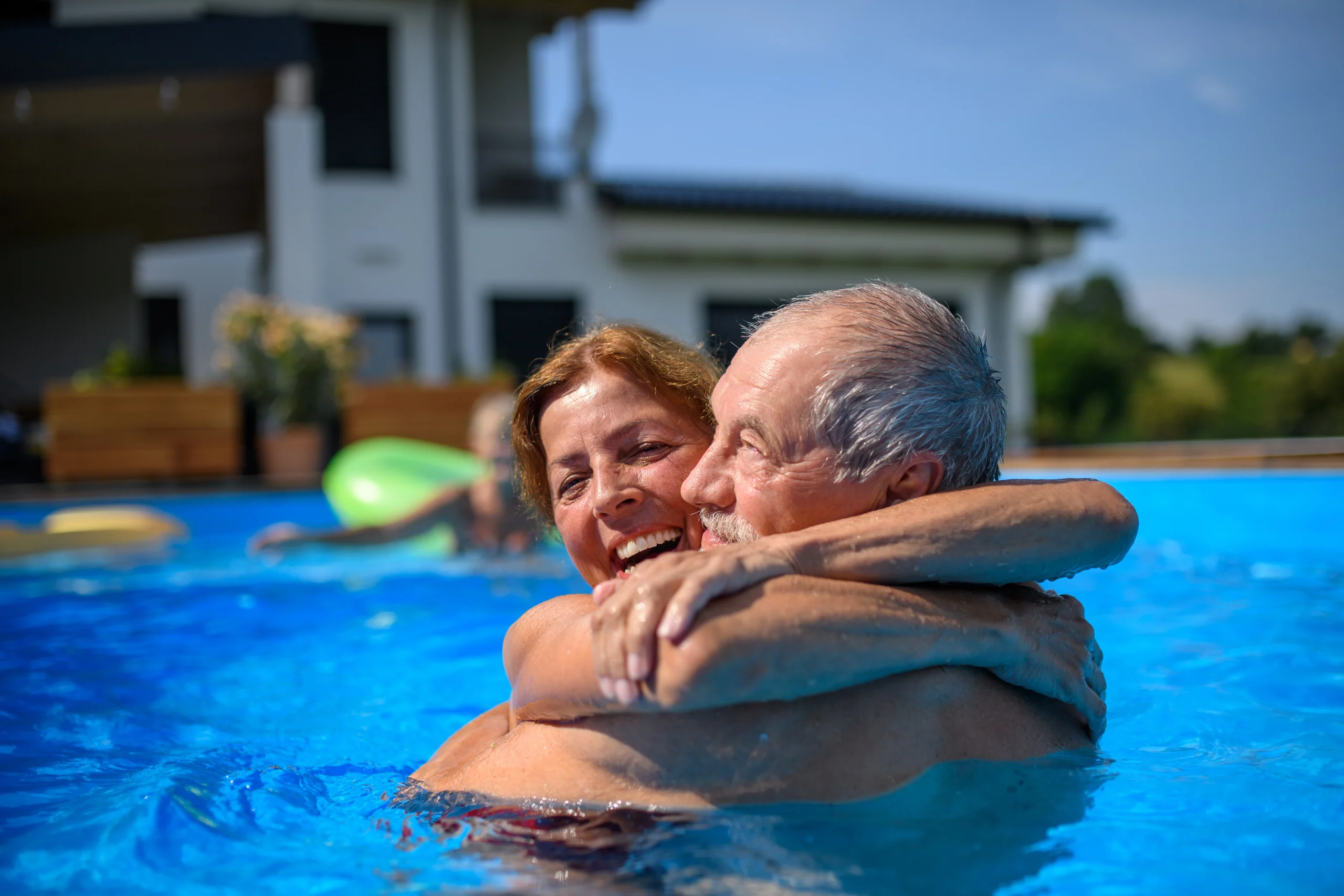
Let’s be honest. The classic backyard pool—with its deep end, diving board, and slick tile edges—isn’t exactly built for aging bodies. But what if a pool could be? What if it was designed not for cannonballs, but for comfort, for healing, for genuine wellness?
That’s the heart of therapeutic pool design for seniors. It’s a shift in thinking. We’re moving from recreation to restoration. These spaces are engineered to address the specific physical and emotional needs of older adults, turning a simple dip into a powerful tool for maintaining independence and joy.
Why “Therapeutic Design” is a Game-Changer
Well, for starters, water is magic. Buoyancy reduces stress on joints by about 90%. That’s not just a nice fact—it’s freedom from pain for someone with arthritis or osteoporosis. Hydrostatic pressure gently supports the body, can improve circulation, and reduces swelling. Honestly, it’s like getting a full-body, supportive hug.
But a standard pool often puts up barriers: scary ladders, slippery floors, water that’s too cold. Therapeutic design sweeps those barriers away. It anticipates challenges like decreased mobility, balance concerns, and sensitivity to temperature. The goal? Creating an environment that feels inviting, safe, and effortlessly accessible.
Core Principles of a Senior-Friendly Wellness Pool
Here’s the deal. It all comes down to a few key, non-negotiable features. Think of these as the foundation.
- Zero-Entry (Beach Entry) or Gradual Steps: This is arguably the most important feature. A gentle, sloping walkway into the water eliminates the need to navigate steps or ladders. It feels natural, like walking into a calm lake. It’s a must for wheelchair users or those using walkers, who can often roll right in to a transfer point.
- Warm Water Temperatures: Forget chilly 78-degree lap pools. Therapeutic pools are kept between 88 and 92 degrees Fahrenheit. This warmth soothes aching muscles, prevents chilling, and makes the entire experience deeply relaxing from the moment you step in.
- Non-Slip Flooring Everywhere: And we mean everywhere. The pool floor, the deck, the shower area. Textured plaster, specialized tiles, or applied coatings provide crucial traction, building confidence with every step.
Key Design Features for Safety and Therapy
Okay, so we have the basics. Now, let’s dive into the features that transform a safe pool into a therapeutic powerhouse. These are the elements that cater to specific wellness-focused activities.
Built-In Seating and Exercise Stations
Imagine built-in bench seating along the perimeter. Not an afterthought, but a designed feature at the perfect height for easy sitting and standing. Add in therapy jets positioned to target the lower back, shoulders, or calves for a soothing hydromassage.
For active therapy, underwater bars and rails at varying depths allow for supported stretching and strength exercises. You might even see variable current systems—creating a gentle, walk-against resistance right in the pool for cardiovascular work.
Thoughtful Depth and Layout
A large, deep area often isn’t the point. Instead, think of “activity zones.” A large, consistent shallow area (around 3.5 to 4.5 feet deep) allows for social water walking, group classes, and standing exercises without the anxiety of losing footing.
Clear, wide walkways around the pool are essential for moving safely with assistive devices. And generous overhangs or built-in gutter systems keep deck water to an absolute minimum.
| Design Feature | Therapeutic & Wellness Benefit |
|---|---|
| Zero-Entry Slope | Promotes independent, safe access; reduces fall risk. |
| Warm Water (90°F) | Soothes arthritis, improves flexibility, prevents chill. |
| Built-In Bench & Jets | Enables socializing & targeted pain relief without strain. |
| Consistent Shallow Zone | Ideal for group aquatic therapy and balance exercises. |
Beyond the Water: The Full Sensory Experience
A truly wellness-focused environment engages all the senses. It’s not just about the swim, it’s about the feeling of the entire space.
- Lighting: Soft, warm lighting is key. Harsh glare is disorienting. Think about LED systems that can change color for mood—calming blues for a serene soak, brighter tones for an invigorating morning class.
- Acoustics: Water features are wonderful, but the sound of a roaring waterfall can be overwhelming. Gentle bubblers or laminar deck jets provide a soothing auditory backdrop without drowning out conversation.
- Landscaping & Privacy: Lush, soft landscaping creates a peaceful retreat. Secure, private fencing is a must for peace of mind, but it should feel like a garden wall, not an institutional barrier.
- Accessories: This is where it gets personal. Sturdy, easy-to-grab handrails everywhere. A pool cover that’s simple to operate. Even a shaded area for cooling off. These small details make daily use a pleasure, not a chore.
Making It Real: Planning Your Therapeutic Oasis
So, you’re considering this for a home or community. Where do you start? First, consult with professionals who specialize in accessible and therapeutic pool design. Look for designers and builders with experience in aging-in-place or ADA-compliant projects.
Here’s a quick, practical list to guide the conversation:
- Assess Primary Users: What are the specific mobility or health considerations? Arthritis? Post-hip replacement? General fitness?
- Define the “Why”: Is the main goal pain relief, social connection, physical therapy, or all of the above?
- Budget for the Essentials: Prioritize zero-entry, heating, and non-slip surfaces. These are the backbone.
- Think Long-Term: Design for needs not just today, but for 10 or 20 years down the line. Universal design benefits everyone.
In fact, the best designs often feel…invisible. You don’t notice the safety features because they’re so seamlessly integrated into a beautiful, calming space. The slope is just part of the landscape. The bench is just a place to rest and chat.
The Ripple Effect
Ultimately, a therapeutic pool is about more than physical health. It’s about reclaiming a sense of agency. It’s about social connection—water has a way of breaking down barriers and sparking conversation. It’s about mental well-being, offering a daily ritual that combats isolation and depression.
Sure, it’s an investment. But it’s an investment in quality of life. In independence. In joy. It’s the difference between just growing older and truly thriving in those later years. And that, you know, is a design worth diving into.